Living in Paje, Zanzibar: A Practical Guide
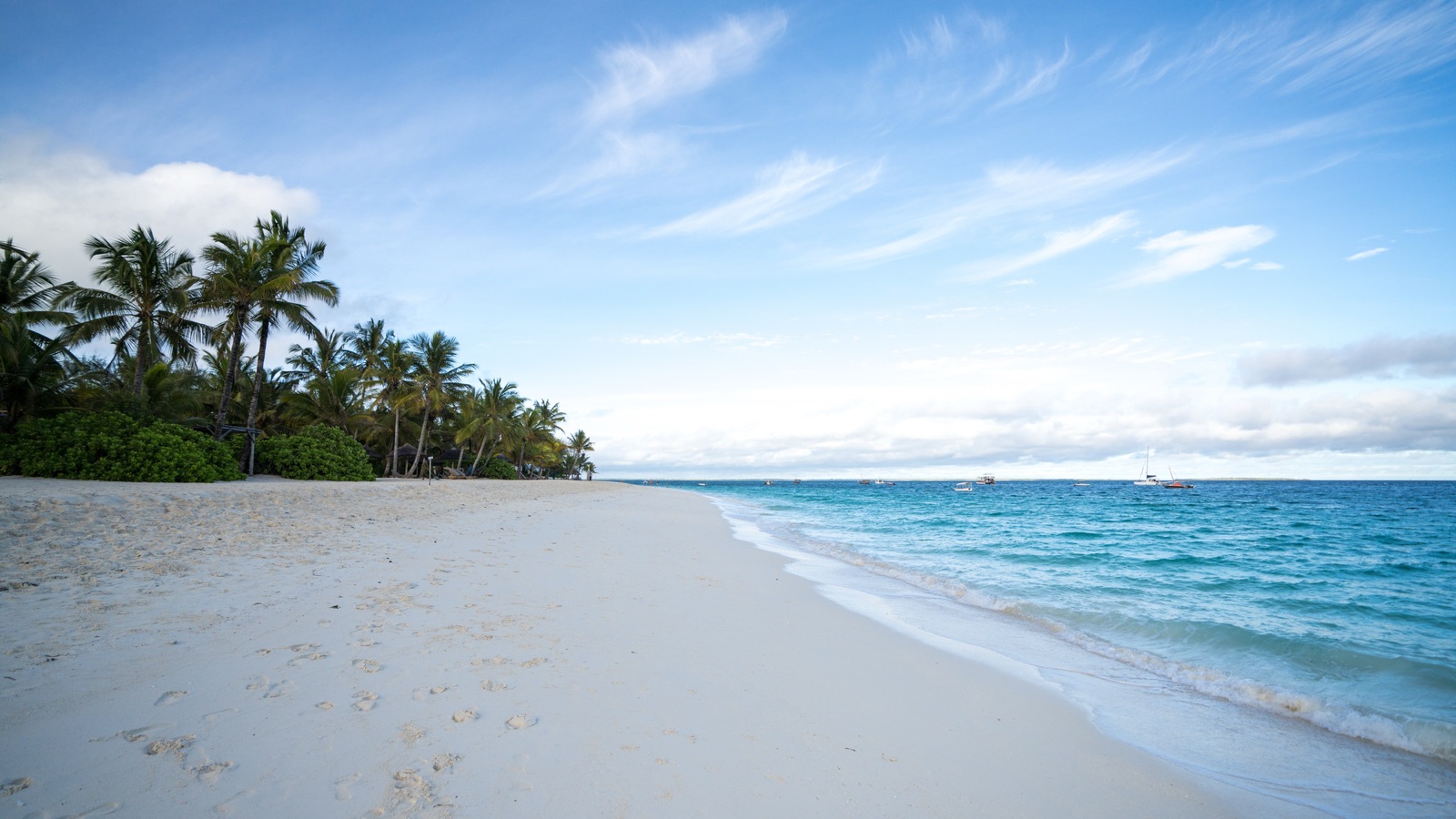

Living in Paje, Zanzibar, you plan your day around the tide. The lagoon in front of the village is shallow and warm, and stays flat for about a kilometre out to the reef. At low tide it drains far back. A few hours later it fills again for a swim or a kite session.
Twice a year a steady trade wind sets in and the sky fills with kites. Behind the beach, cafés, small shops and kite schools sit close together, and the beach becomes part of daily life rather than a day out. Here is what to know about the tides, the wind, everyday practicalities and choosing a home.
In short
- The tide sets the day. Swim around high water and walk the lagoon at low water.
- There are two kite seasons a year, and it is warm all year.
- In Paje itself you can live without a car.
- AZURE Paje is 100 metres from the beach, under two minutes on foot.
Village life in Paje
Paje's beach is busy with kiters and swimmers, and behind it is a real village. Fishermen sell the morning's catch on the sand, restaurants set their tables on the beach, and kite stations, cafés and shops sit side by side. Within Paje you can get around on foot. For the rest of the island there are taxis and the shared dala-dala minibuses.

How easy walking feels is personal. Heat, soft sand and the odd downpour all play a part, so on a viewing trip try the route you would use most, once in the morning and once after dark.
Prefer a quieter resort where your villa is looked after for you? AZURE Michamvi is about ten minutes' drive up the coast on the Michamvi Peninsula. Paje is for village life on the beach, and Michamvi is a managed resort. You can compare both AZURE projects side by side.
The tide sets the timetable
Because Paje's lagoon is so shallow, the tide changes the beach completely. At low tide the inner lagoon empties and the kiters move out to the outer lagoon and the sandbanks. Swimming from the shore pauses and walking takes over.
Low water is also working time. Seaweed farming is part of Zanzibar's coastal economy. The UN Joint SDG Fund counts more than 23,600 seaweed farmers on the islands, around 80 per cent of them women, and more than 150,000 livelihoods linked to the sector. Give the farm lines room as you walk.
At high water the lagoon fills and an easy swim is a few steps from the sand. Check a tide table before you plan a swim, a lesson or a sunset walk.

Paje through the year
Kitesurfers come to Paje from all over the world for its flat lagoon and steady trade winds. The IKSURFMAG Paje guide names two wind seasons, and the rains follow their own pattern:
- Mid-December to February: the Kaskazi wind season, and the hottest weeks, around 30°C.
- March to May: the long rains, and a quieter beach.
- May to October: the Kusi wind season, drier and a little cooler.
- November: a shorter rainy spell.
The wind still varies from day to day. For a kiter, the seasons set the calendar, with work fitted around the wind. Even if you don't kite, the beach is busier and more colourful in those months. Windy days are easier with a sheltered outdoor space and somewhere to keep the gear, and AZURE Paje will have a kite rental shop by the entrance, with equipment and storage.
Working remotely from Paje
Many people in Paje work for clients in Europe or the Gulf. Zanzibar is two hours ahead of Central European time in winter, one hour ahead in summer, and one hour behind Dubai, so a European working day fits easily.
Remote workers usually ask about the internet first. At AZURE Paje, every apartment will have high-speed WiFi, and the development will include a co-working space with high-speed internet for residents who work internationally. When you visit Paje, think about where you would take a private call.
Everyday practicalities in Paje
- Shopping: small shops in the village cover daily basics. For a bigger shop, the supermarkets are in Zanzibar City. AZURE Paje will also have its own supermarket.
- Money: daily payments are in Tanzanian shillings. Mobile money such as M-Pesa is widely used, and larger restaurants and hotels take cards.
- Healthcare: for anything serious, the main hospitals and private clinics are in Zanzibar City, around an hour's drive. Take out international health insurance that includes evacuation. Malaria levels in Zanzibar are low, but ask a travel clinic about prevention and use repellent.
- Phone, data and power: local SIM cards with mobile data are easy to buy. Short power cuts happen on the island from time to time, so keep a power bank for your laptop.
- Getting around: taxis and dala-dala minibuses cover the island. Many residents also rent a car or a scooter for longer stays.
- Staying long term: owning a home does not by itself give you the right to live in Zanzibar, so ask about residence permits before you plan long stays. Our guide to buying property in Zanzibar covers the basics.
Choosing a home in Paje
Think about a normal working week rather than a holiday. AZURE Paje will have 262 apartments in four buildings set around pools and gardens, with handover planned for the end of 2028. The sizes below are the private area, including the terrace or garden:
- Studio: from about 42 m².
- One bedroom: from about 53 m², so the living room can double as an office.
- Two bedrooms: from about 72 m², so two people can each work behind a closed door.
- Penthouses: from about 154 m², on the top floor.
Also ask yourself where wet towels, a laptop bag and kite gear will go, and whether you want breakfast outside before the beach. Every apartment will open onto its own terrace, balcony or garden.
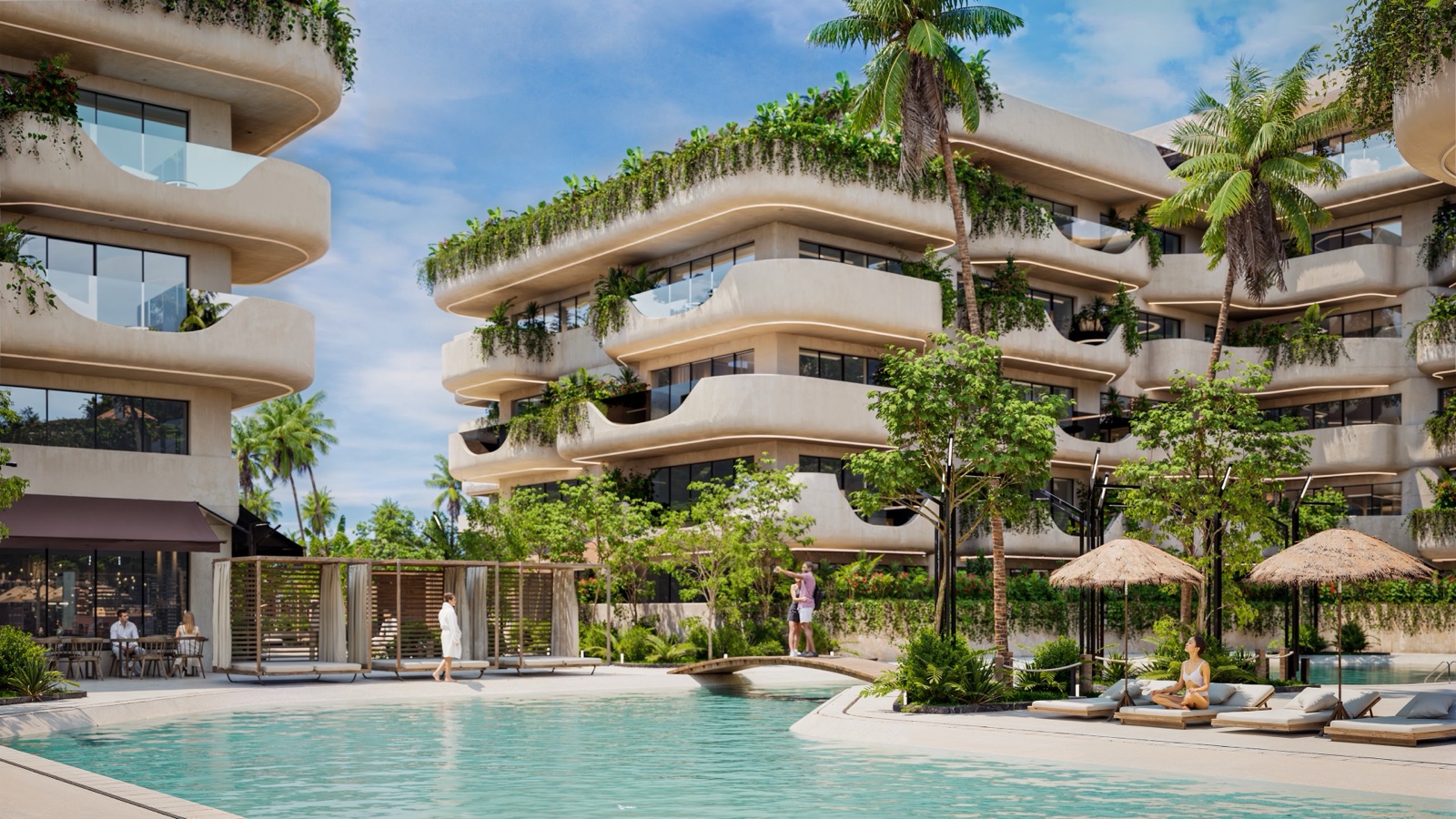
Daily needs will be on site: two restaurants, a coffee shop, a supermarket, a gym, a spa and two pools. You can compare the apartments, take the 360° tour, or talk to the AZURE Paje team.
Getting to Zanzibar, and a day in Stone Town
Flights land at Abeid Amani Karume International Airport (ZNZ). In winter 2026/27, the airlines' filed timetables show non-stop flights from Dubai with flydubai (about 5 hours 30 minutes), from Abu Dhabi with Etihad, from Doha with Qatar Airways and from Istanbul with Turkish Airlines (about 7 hours 20 minutes). From Europe, Condor flies from Frankfurt, KLM from Amsterdam and Air France from Paris, each in about 9 hours. Timetables change with the seasons, so check the current schedule when you book.
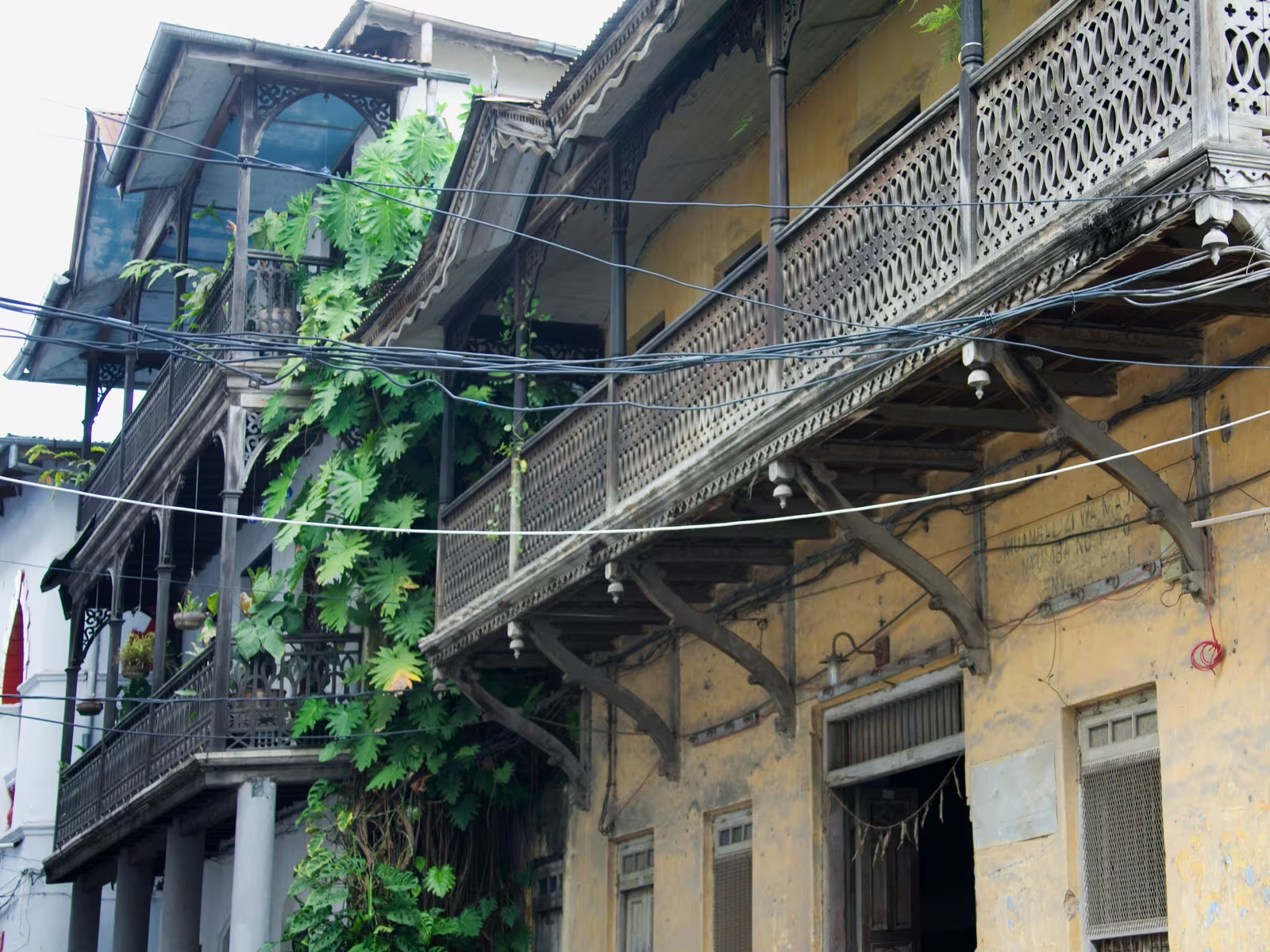
When you want a change from the east coast, Stone Town, the old quarter of Zanzibar City, is worth a full day. UNESCO lists it as a World Heritage Site, a Swahili trading town shaped by African, Arab, Indian and European influences over more than a thousand years. Our piece on Zanzibar's architecture looks at how that heritage shapes building on the island today.
Questions about living in Paje
Can you swim in Paje every day?
Yes, but not at every hour. The lagoon is shallow, so at low tide the water goes far out. Swim around high tide and check a tide table first.
When is kite season in Paje?
There are two: the Kaskazi from mid-December to February and the Kusi from May to October. The wind varies from day to day.
Do you need a car in Paje?
Not in Paje itself. The beach, cafés, shops and kite schools are close together. For trips around the island there are taxis and dala-dala minibuses.
Is the internet good enough to work from Paje?
Yes. Many people work remotely from Paje, and 4G mobile data is easy to get with a local SIM card. AZURE Paje will have high-speed WiFi in every apartment and a co-working space for residents.
How far is AZURE Paje from the beach?
AZURE Paje is 100 metres from Paje Beach, under two minutes on foot.
Is living in Paje right for you?
Living in Paje, Zanzibar, suits people who want the beach in their normal week: a swim before work, a walk at low tide, a kite session when the wind comes. If that sounds like you, look at the apartments or book a call with the AZURE Paje team.
About the author: Nikitas Adrian Simion is CEO of AZURE United Properties. He has spent four years in Zanzibar and two in Dar es Salaam, and leads AZURE's projects on the island.
Read more about the progress
Stay informed with our latest updates and insights on real estate trends and tips.

